
Blinds Cleaning Service

Blinds Cleaning Service: What to Expect from the Pros

A blinds cleaning service can completely refresh the way your home feels the moment sunlight filters through clean, dust-free slats.

Blinds quietly pick up dust, pollen, cooking residue, and everyday air particles, but because the change happens slowly, most people don’t notice how much the room has dulled over time.

I didn’t realize it myself until I moved into a new place where the blinds looked “fine” at first glance. But when the afternoon light hit just right, a hazy film of buildup became obvious, and the entire room looked tired.

I tried cleaning them myself because I figured—how hard could it be? Five hours later, I had sore shoulders, streaky blinds, and a living room that still didn’t feel clean. That was the moment I understood why so many people rely on professional help to handle window coverings the right way.

Why Blinds Need Expert Attention

Blinds accumulate more than dust. They collect allergens, pet hair, cooking oils, and even smoke particles if you cook frequently. This buildup can make the air inside your home feel heavier.

If someone in your household has allergies or asthma, dirty blinds can trigger flare-ups without you even realizing the cause.

A professional blinds cleaning service can target the type of buildup that basic dusting can’t remove, helping restore cleaner airflow and reduce hidden irritants in the home.

The challenge is that every type of blind requires its own cleaning method:

  • Fabric shades can stain if cleaned incorrectly.

  • Wood blinds can warp or fade with too much moisture.

  • Vinyl blinds may look sturdy, but aggressive scrubbing can leave scratches that never go away.

Professionals know how to clean each material safely and thoroughly. They don’t just wipe surfaces—they lift the particles that dull color, weigh down slats, and make blinds feel older than they are.

What Pros Do During the Cleaning Process

The appointment usually starts with an inspection. The technicians look at the condition of your blinds, the type of material, and any areas that need special attention.

This matters because blinds aren’t one-size-fits-all. Different materials require different tools, timing, moisture control, and drying methods.

In most cases, blinds are carefully removed rather than cleaned while hanging. This allows every slat, seam, and edge to be cleaned evenly.

Some companies use immersion tanks, where blinds are gently soaked to release buildup. Others use ultrasonic cleaning, where tiny vibrations break up deep grime without scrubbing.

I once watched ultrasonic cleaning in action on Roman shades at a friend’s home. The shades had two small grease spots that had been there for years. After a few minutes in the tank, both stains vanished without wearing down the fabric—it felt less like cleaning and more like restoration.

How Long Does the Service Take

A small apartment might take one to two hours. A larger home with multiple styles of blinds can take several hours.

The drying stage requires patience—if blinds are reinstalled while still damp, they can develop water spots or mildew over time. Professionals handle drying carefully to prevent this.

Something I noticed during my own appointment was how calm and methodical the workflow was—no rushing, no rough scrubbing. Just steady, practiced steps that made the results consistent and even.

Tools and Techniques Professionals Bring

Technicians typically use specialized cleaning formulas that loosen grime without damaging delicate finishes. Common tools include:

  • Soft-bristle brushes for safe scrubbing

  • Microfiber cloths for streak-free drying

  • Steamers or ultrasonic tanks for deep cleaning

These tools aren’t things most people have at home—and even if they did, knowing how to use them correctly is what makes the biggest difference.

Immediate Benefits You’ll Notice

  • Rooms look brighter almost instantly.

  • Light passes through blinds more evenly.

  • Dust no longer floats in the air when you adjust the slats.

  • Spaces feel fresher and more open.

One of my favorite parts after the cleaning was how smoothly my blinds moved. The lifting mechanism operated effortlessly again because dust and grime had been cleared out from the internal parts. It made something as simple as opening the blinds feel satisfying.

Real-Life Home Example

A family I know had blinds directly above their kitchen sink. Over time, steam and oil from cooking settled into the material. The blinds began sticking together, and the color shifted slightly yellow—they considered replacing them entirely.

Professional cleaning costs a fraction of replacement, and the difference was dramatic. Not only did the blinds return to their original color, but the room itself looked more open and cheerful because light filtered through clean slats again.

Simple Maintenance You Can Do Yourself

You don’t have to deep-clean blinds every month, but small habits help keep them cleaner longer:

  • Dust blinds with a dry microfiber cloth once a week.

  • Use a vacuum with a brush attachment for fabric shades.

  • Avoid using water directly on wooden blinds.

  • Keep windows closed on high-pollen days.

These steps stretch the time between professional visits and keep blinds looking fresh.

When to Call for Another Cleaning

Call a professional if:

  • Blinds feel sticky or greasy.

  • You notice visible dust when sunlight hits.

  • The slats appear uneven in color or texture.

  • Someone in your home experiences more allergy symptoms indoors.

  • Adjusting blinds causes dust to fall into the room.

Clean blinds don’t just look good—they make the entire space feel healthier and more comfortable.

Final Thoughts

Blinds do more than cover windows—they shape the light in every room and influence how clean and fresh your home feels.

When they’re not cleaned properly, the whole space feels a little heavier without most people realizing why. Choosing expert help isn’t just about appearance—it’s about maintaining air quality, protecting materials, and extending the life of your blinds.

After seeing how different my living room felt after a professional cleaning, I realized blinds play a quiet but powerful role in how a home feels every day.

Clean blinds make rooms feel lighter, clearer, and more welcoming—and that’s worth taking care of.

Venetian Blinds Cleaning

The Ultimate Guide to Venetian Blinds Cleaning

Venetian blinds cleaning can seem like a small chore that gets pushed aside, but once you truly notice the dust buildup, it becomes impossible to ignore.

You might glance over at your windows one morning, sunlight streaming through, and suddenly every speck of dust looks like it’s glowing in neon.

That’s usually the moment you realize it’s time to take action.

I learned this the hard way when I had guests over for brunch. Everything else in my space
looked spotless, but someone casually pulled the blinds to block the glare, and a small cloud of dust puffed into the air.

It was embarrassing—not because my home was dirty, but because it made it obvious that blinds rarely get the attention they need. They blend in until they don’t.

For more tips and techniques, check out Venetian blinds cleaning.

Why Blinds Collect So Much Dust

Blinds create perfect little shelves for dust to settle on. Each slat is like a tiny runway for particles floating around your home.

Even if you clean often, these slats catch everything from pollen to pet dander to everyday lint from clothing and upholstery.

If you cook frequently, the situation gets worse—especially in open kitchen layouts. Oil vapor travels farther than you’d expect. It settles onto blinds, leaving them slightly sticky, which then causes dust to cling even more tightly.

That’s why some blinds feel greasy when you touch them.

Humidity plays a role, too. In bathrooms and laundry rooms, moisture mixes with airborne debris. When that settles, it forms stubborn grime instead of just light dust.

Preparing Before You Clean

Before diving into any form of blind maintenance, start by closing the windows and turning off fans. Moving air stirs up more dust.

Lay a towel or old sheet under the window to catch falling particles so you don’t have to sweep or vacuum immediately afterward.

A microfiber cloth works best for basic surface dusting because it grabs instead of spreading. Feather dusters tend to push dirt around rather than collect it.

If you have pets, lint rollers can be surprisingly effective for removing hair from slats.

I once tried using a random cotton T-shirt to wipe mine—it left streaks and lint everywhere. Lesson learned: tools matter.

Quick Daily or Weekly Maintenance

Light Dusting Technique

  1. Close the blinds fully so the slats face downward.
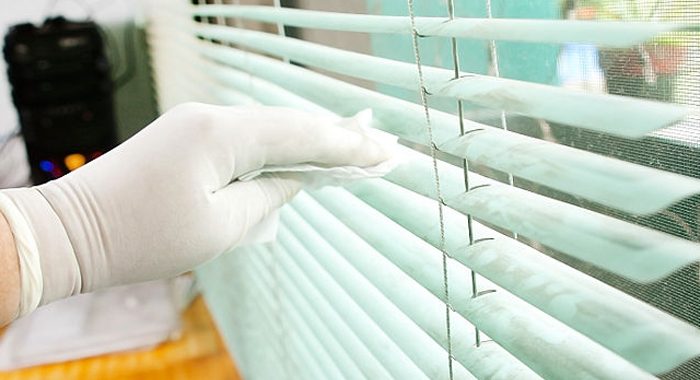
  2. Run a microfiber cloth gently from one side to the other, working top to bottom to avoid sending dust onto sections you’ve already cleaned.
  3. Flip the blinds to face upward and repeat. This ensures both sides get attention.

Vacuuming Method

A vacuum with a brush attachment can make routine upkeep faster.

Use the lowest suction setting—strong suction can bend delicate slats or pull cords too hard.

Move slowly; if you rush, the vacuum can skip over dust instead of removing it.

Deep Cleaning Thick Buildup

When to Deep Clean

If you notice sticky residue, discoloration, or dust that won’t budge, it’s time for a deeper approach.

Deep cleaning usually only needs to happen a few times a year, depending on the environment and lifestyle. Homes with smokers or heavy cooking tend to need it more often.

Taking Blinds Down

This part sounds intimidating, but it usually takes less than five minutes. Most blinds simply lift off the mounting brackets with a little upward pressure and angle.

Lay them flat in a bathtub or on a large tarp outdoors.

Soaking Method

Fill a bathtub with warm water and a small amount of gentle dish soap. Avoid harsh cleaners because they can strip the finish or warp cheaper materials.

Submerge the blinds completely and let them soak for about 15 minutes.

Use a soft sponge or cloth to wipe each slat, then rinse thoroughly with clean water.

Drying Without Water Spots

This step makes the biggest difference in how blinds look afterward.

Shake off excess moisture and lay the blinds over a towel. Pat dry each slat, then hang them back up to air dry fully.

Do not close them while drying. Keeping slats slightly open prevents trapped moisture and reduces streak lines.

I made the mistake of closing mine once, thinking it would keep them flat—instead, it sealed in water marks that looked worse than the dust had before.

Cleaning Without Removing Blinds

Vinegar Spray Method

Mix equal parts warm water and white vinegar in a spray bottle.

Lightly mist a microfiber cloth, not the blinds themselves—too much liquid can drip and pool inside the mechanism.

Wipe each slat individually. This takes patience, but it’s great if you can’t remove the blinds entirely.

Sock and Tongs Trick

Slip a clean sock over each side of a pair of kitchen tongs and secure them with rubber bands.

This creates a tool that clamps onto slats from both sides, allowing faster wiping.

This hack works best for wood or faux wood materials.

Avoiding Damage While Cleaning

Different materials require different approaches:

  • Wood slats: Can warp if exposed to too much moisture. Keep them dry and use wood-safe cleaners.
  • Aluminum slats: Dent easily, so avoid pressing too hard.
  • Fabric blinds: Need specialty cleaning solutions or professional service to avoid shrinking or fraying.

Be careful with cords and tilt mechanisms—pulling or twisting too hard can misalign the lifting system and create uneven raising.

Keeping Blinds Cleaner for Longer

Dust spreads more quickly in homes with high foot traffic, pets, open windows, or poor ventilation.

Air purifiers help reduce the amount that ends up on surfaces. Cooking with lids on pots and running hood vents minimizes grease in the air.

Simple habits make a noticeable difference.

One tip I learned from an apartment neighbor was to wipe slats lightly with a dryer sheet after cleaning.

The anti-static coating helps repel dust. I was skeptical at first, but it worked surprisingly well.

When to Replace Rather Than Clean

Sometimes, blinds have simply lived their life.

Stained cords, cracked slats, broken wands, or warped pieces are signs that replacement may be better than continued upkeep.

If cleaning starts taking longer than it feels worth, updating them might actually save effort over the long run.

The third and final time I’ll say it: Venetian blinds cleaning becomes easier and faster when blinds are maintained regularly rather than waiting until grime builds up heavily.

Final Thoughts

Keeping blinds fresh doesn’t require special skills—it just needs consistency, the right tools, and a little patience.

Once you form a routine, the job becomes surprisingly quick.

You’ll notice your home feels brighter, cleaner, and lighter when the slats aren’t coated in dust.
It’s one of those subtle improvements that leave a big impression.

Vertical Blinds Cleaning

Vertical Blinds Cleaning: When to DIY and When to Call the Pros

Vertical blinds cleaning can easily slip down the priority list, even in homes that feel generally tidy.

The truth is, blinds quietly collect dust and grime in ways we don’t notice—until one day the sunlight hits just right, revealing everything. That moment is never flattering.

I’ve experienced it more times than I care to admit, especially in apartments with large windows facing busy streets.

When I moved into my first place with tall window coverings, I loved how they made the space feel larger and brighter. What I didn’t know was how quickly they pick up everything in the air—dust, pollen, kitchen residue, and even subtle smells.

Once I understood how to care for them, I noticed the whole room felt fresher.

Why These Blinds Collect So Much Dust

Vertical blinds are designed to move with airflow. Each panel or slat has a wide surface area where particles settle.

Every time you open or close a window, walk past a doorway, or even run the ceiling fan, air moves through the room. That movement lifts dust that eventually lands on the blinds.

If your blinds are fabric, they can also trap pollen, pet hair, and smoke smells.
Plastic and vinyl blinds can show smudges and fingerprints more clearly, especially in rooms with frequent use.

Regular care—such as gentle dusting or occasional vertical blinds cleaning—helps keep them from looking dull or collecting buildup that becomes harder to remove over time.

I learned this firsthand when I lived near a freeway. Even with the windows closed, fine dust drifted in and settled on the blinds faster than I imagined. The difference after simply wiping them down was immediate—the whole room felt renewed.

The Simple Weekly Routine That Saves Work Later

A quick maintenance routine is the easiest way to prevent stubborn buildup.

A vacuum with a soft brush attachment is ideal for picking up loose particles. I used to think vacuuming window coverings felt odd, but once I tried it, cleanup became dramatically easier.

A gentle top-to-bottom wipe with a dry microfiber cloth also works well. Close the blinds one way and clean the surface, then rotate them in the opposite direction and repeat. This ensures you don’t miss the back or the edges where dust loves to hide.

Think of it as combing hair in sections—you get a cleaner, smoother result.

Consistency here prevents the need for heavy scrubbing later.

When It’s Time for a More Thorough Cleaning

Even with weekly care, there will be times the blinds need deeper attention.

Spills, greasy kitchen vapors, and fingerprints can create small marks that stand out when the sun shines through.

  • Fabric blinds: Use a damp cloth and a small amount of mild soap to spot clean. Pat gently instead of rubbing—rubbing can distort fibers.

  • Vinyl or plastic blinds: Warm water and a tiny bit of dish soap work well. Wipe with a clean cloth afterward to prevent streaks.

I once had blinds near my stove, and even though I was careful, tiny oil particles built up over time. When I finally wiped them properly, I realized the “discoloration” I assumed was aging was just cooking residue.

It made a noticeable difference in the brightness of the room.

Taking the Blinds Down for Deep Cleaning

Sometimes the blinds need more than wipe-downs. Taking them off the track makes cleaning easier and more thorough.

I used to avoid this because I was convinced I would break something. Once I learned how simple the clips usually are, it became much less intimidating.

  • Vinyl or PVC blinds: Rinse in the bathtub using lukewarm water and mild soap. Avoid hot water—it can warp the material.

  • Fabric blinds: Be cautious, as soaking can stretch or wrinkle them. Always check the material first or test on a small section if unsure.

Let them dry completely before rehanging. Water trapped in folds can lead to mildew.

When Calling a Professional Makes Sense

There are situations where it’s smarter to bring in specialists.

This includes blinds that are expensive, textured, layered, or made of delicate materials. Professional cleaning prevents distortion, shrinkage, and discoloration caused by incorrect home methods.

I once moved into a place where the blinds had been untouched for what looked like years. Not only were they dusty, but they also held a faint smell of old smoke. No matter how I wiped, the odor clung to the fibers.

A professional cleaning service restored them without needing to replace them—saving quite a bit of money.

If you’re preparing your home for sale or guests, professional treatment can also enhance how light fills the room. Clean window coverings make spaces look brighter and better maintained.

Deciding Between DIY and Professional Help

Here’s a simple way to choose:

  • Ask yourself how much time you’re willing to spend.

  • Consider whether you risk damaging the blinds by handling them incorrectly.

If the blinds are mostly dusty, weekly care and occasional wiping will do.
If there are stains, grease, or mild odors, a careful deep cleaning might solve them.
But if they are heavily soiled, delicate, or central to the look of a room, a professional is worth it.

I once spent an entire Sunday cleaning blinds that should have taken two hours. I learned that sometimes time is more valuable than the small cost of hiring help.

Helpful Habits to Keep Them Cleaner Longer

  • Use a high-quality air filter in your AC or heating system to reduce airborne dust.

  • Avoid leaving windows open on windy days.

  • Act quickly when you see splashes or smudges—fresh marks are always easier to remove.

  • Rotate blinds occasionally so they wear evenly.

  • Brush pets regularly to reduce fur buildup.

  • Use range hoods consistently while cooking to stop oil particles from drifting.

Small habits add up to big results.

A Cleaner Space Changes the Feel of the Room

Clean blinds improve more than appearance—they affect how the entire room feels.

Dusty blinds can make even a well-arranged room look tired. Fresh blinds, on the other hand, make natural light feel brighter and air feel fresher.

Guests may not be able to point out why the room feels good—but they’ll notice.

Maintaining blinds doesn’t have to be overwhelming. A combination of light weekly care and occasional deeper attention keeps them looking great for years.

Professionally Clean Your Blinds

Signs It’s Time to Professionally Clean Your Blinds or Shades

If you’ve ever looked at your windows and felt like something was… off, it’s probably time for professional blind cleaning.

It’s one of those chores most of us push down the list—until the dust, odours, or discolouration become impossible to ignore.

Last month, I walked into a friend’s apartment and instantly noticed a stale smell lingering in the living room.

It wasn’t the carpet or the kitchen.

It was the blinds.

They looked clean at first glance, but up close, they were coated in a thin layer of grime and dust that had built up over time.

Within minutes of sitting on the couch, my allergies flared up.

That’s when it hit me—window blinds are silent dust collectors, and unless you deep clean them regularly, they can impact not only your decor but also your health.

Professional blind cleaning services don’t just freshen up your home—they restore your indoor air quality and extend the life of your window treatments.

Let’s dive into the real signs it’s time to get those blinds professionally cleaned.

Your Blinds Look Dull No Matter How Often You Dust Them

You’ve wiped them down with a microfiber cloth.

You’ve tried the vacuum attachment.

Still, they look faded, lifeless, and tired.

This is usually a sign that surface dust isn’t the only problem.

Fabric shades, wood blinds, and even faux wood materials absorb airborne pollutants, which stick around and cause long-term discoloration.

A light DIY clean can’t cut through months (or years) of build-up.

You may think your blinds are just old—but chances are, they’re simply dirty on a deeper level.

There’s a Persistent Smell You Can’t Pinpoint

This is a big one.

Sometimes it’s a musty scent.

Other times it’s more chemical or stale, especially in homes with pets or smokers.

The truth is, blinds absorb odours from everything—cooking grease, tobacco smoke, pet dander, even scented candles.

Over time, those odours get trapped in the fibres or settle on the slats.

When the air warms up, the smell intensifies.

If you’ve noticed a lingering funk you just can’t seem to air out, your blinds could be the culprit.

Your Allergies Are Worse Indoors Than Outdoors

This happened to me last spring.

Even with my windows closed and an air purifier running, my nose was constantly irritated.

After ruling out everything else, I finally checked the blinds.

I ran my hand across one and left a visible line in the dust.

That’s when I realised: I wasn’t reacting to pollen—I was reacting to dust mites and allergens trapped in the blinds.

If you find yourself sneezing more at home than outside, consider booking a deep clean.

Especially if you have pets, asthma, or kids with sensitive respiratory systems, your blinds can seriously affect air quality.

You See Spots, Stains, or Yellowing

Blinds in kitchens and bathrooms are particularly prone to spots and stains.

In kitchens, airborne grease can cling to the slats.

In bathrooms, moisture causes mildew or water marks to form, especially on fabric shades.

Yellowing can come from UV exposure, but it’s often made worse by built-up residue.

Some people try scrubbing, but that can damage the finish or fabric.

A professional knows how to treat specific materials—wood, vinyl, aluminium, and cloth—with the right solution that won’t cause damage or discolouration.

They’re Sticky to the Touch or Don’t Open Smoothly

Blinds are meant to be functional as well as stylish.

If yours feels sticky or hard to open, it’s likely due to grime or residue in the mechanism.

Grime can build up between slats or within the cords and affect how smoothly they operate.

If you’ve got roller shades, they might not roll up fully or retract evenly anymore.

That sticky texture isn’t just annoying—it’s a magnet for more dust.

Instead of replacing the whole set, a deep clean can often restore full functionality.

You Can’t Remember the Last Time They Were Cleaned

This is probably the biggest clue of all.

Most people don’t think about their blinds when they clean the house.

They wash windows, vacuum floors, even wipe down the walls—but the blinds?

They’re overlooked.

If it’s been more than a year (or you genuinely can’t remember the last time you cleaned them), it’s time.

Routine dusting doesn’t replace deep cleaning.

Just like carpets and upholstery, blinds need a reset now and then.

You’re Prepping for a Party, Sale, or New Season

Getting ready to host guests?

Staging your home to sell?

Or just starting fresh for a new season?

Your window coverings say a lot about your home.

People may not consciously notice dirty blinds, but clean ones subtly elevate the entire room.

Clean blinds also make a huge difference in natural light—removing grime makes the light brighter and more even.

And let’s be honest, no one wants to showcase their home with stained, dusty shades.

Real-Life Example: How a Quick Clean Changed the Vibe

A friend of mine was listing her flat and asked me to help her prep.

We tidied up, rearranged furniture, and even added a few new houseplants.

But something still felt off.

The living room light looked dim, even on sunny days.

Then we cleaned the blinds.

No joke, the entire room transformed.

The sunlight came through brighter, the air felt fresher, and the space felt more welcoming.

It was the cheapest and most effective fix we did.

Final Thoughts: Don’t Overlook What’s Right in Front of You

Blinds are like the unsung heroes of interior design—they frame your windows, filter your light, and quietly collect everything in the air.

When they’re dirty, you feel it.

Not just visually, but physically too.

From triggering allergies to dulling your home’s energy, neglected blinds do more harm than most realise.

Whether you’ve got Roman shades, Venetian blinds, or cellular honeycomb styles, a deep, professional clean can revive them and your space in one go.

And if you’re thinking it might be time for a refresh, check out this professional blind cleaning service that handles the work for you, so you can breathe easier and see your home in a new light.

Ultrasonic Blind Cleaning

What Is Ultrasonic Blind Cleaning and Why It’s Better Than Traditional Methods

The Basics of Ultrasonic Blind Cleaning

Ultrasonic blind cleaning is a modern method that uses sound waves to remove dust, allergens, and grime from window blinds.

It’s not just a fancy new way to clean — it’s incredibly effective and surprisingly gentle on delicate materials.

Think of it like this: instead of scrubbing your blinds with a rag and some spray, you’re letting sound waves do the heavy lifting.

Why Traditional Cleaning Falls Short

Let’s face it: cleaning blinds manually is frustrating.

You either spend hours dusting each slat by hand or spray them down and risk damaging the finish or leaving behind streaks.

Feather dusters just move dirt around.

Vacuum attachments miss the buildup in the corners.

Worse, water and chemical cleaners often warp wood or fade aluminum.

And anyone with fabric blinds knows how risky it is to soak them.

I remember helping my aunt clean her blinds the old-school way before her spring cleaning party.

Three hours in, our backs were sore, and the blinds still looked dull.

That’s when she tried something new — and it was a game changer.

The Science Behind Ultrasonic Cleaning

Ultrasonic cleaning uses high-frequency sound waves to create microscopic bubbles in a water-based solution.

These bubbles collapse with force, lifting dirt and debris from every nook and cranny — even in places you can’t see.

It’s the same tech used to clean surgical tools and jewelry.

The blinds are placed in a tank of water with a gentle cleaning solution.

Then, the ultrasonic waves get to work, blasting away contaminants without any abrasive scrubbing.

It’s safe for aluminum, vinyl, fabric, wood (with proper treatment), and even cords and headrails.

Ultrasonic Blind Cleaning can reach into areas that traditional cleaning simply can’t touch.

A Real-Life Example That Changed My Mind

A friend of mine runs a small bed and breakfast and was dealing with a serious allergy issue among guests.

After replacing air filters and deep-cleaning carpets, the problem persisted.

It wasn’t until she had her blinds professionally cleaned using this method that things changed.

Turns out, the dust trapped between the slats was holding onto pollen and pet dander.

Within a week of ultrasonic cleaning, guest feedback improved and bookings picked up.

Eco-Friendly and Safe for Your Home

One of the hidden benefits of ultrasonic technology is that it uses less water and fewer harsh chemicals.

That makes it safer for your family, pets, and the environment.

It’s also hypoallergenic — ideal for homes with sensitive individuals or anyone dealing with respiratory conditions.

I’ve seen parents use it in nurseries and kids’ rooms to keep air quality in check without introducing strong-smelling cleaners.

It’s Faster and More Cost-Effective Than You Think

You might think a high-tech process like this comes with a hefty price tag or a long wait.

But that’s not the case.

Most service providers can clean a full set of household blinds in just a couple of hours.

And because you’re not spending money on expensive sprays or risking damage that leads to costly replacements, it’s more budget-friendly over time.

Compare that with buying a new set of blinds because the old ones got ruined during a DIY attempt.

Been there, done that — never again.

Ideal for Commercial Spaces Too

If you manage a space like an office, school, or clinic, this method is a no-brainer.

It minimizes downtime, improves hygiene, and creates a cleaner, more welcoming environment.

I worked in a coworking space where they used ultrasonic cleaning quarterly.

The difference in air freshness and sunlight through the windows was noticeable every time.

Clients even commented on how “bright and clean” the place looked — all because the blinds weren’t trapping dust.

Long-Term Results That Last

What sets ultrasonic cleaning apart is that it doesn’t just make things look good temporarily.

It helps maintain the integrity of the blinds.

By gently removing harmful particles and buildup, the material lasts longer.

No more cracked slats, discolored cords, or stiff movement when opening and closing.

That longevity adds up — especially if you’re outfitting an entire home or commercial property.

When Should You Get Your Blinds Cleaned?

The general rule of thumb is once a year.

But homes near construction sites, highways, or those with pets or smokers might need it more frequently.

Some people even schedule seasonal cleanings to stay ahead of pollen and allergens.

Spring and fall are popular, but winter’s dry air and summer’s humidity both bring their challenges.

Final Thoughts: A Small Change That Makes a Big Impact

Ultrasonic blind cleaning may not be the first thing that comes to mind when you think of home upgrades, but it should be.

It’s efficient, thorough, and surprisingly affordable.

And the best part?

You’ll notice the difference in the way your space looks, feels, and even smells.

It’s one of those small changes that delivers big results.

Whether you’re maintaining your home, prepping for guests, or just want to breathe easier, it’s worth a try.

Let sound waves do the dirty work — your back (and your blinds) will thank you.

Blinds Cleaning Service

Reasons Dirty Blinds Could Be Harming Your Health (and What to Do About It)

Dirty blinds’ health risks are often overlooked, but they can have a surprisingly big impact on your well-being.

You clean your counters, vacuum the floors, maybe even wipe down the windows—but when was the last time you cleaned your blinds?

Most people forget about them entirely.

I used to be one of those people.

Until a sneezing fit during dinner made me look up—and I saw layers of dust clinging to every slat.

That small discovery turned into a deep dive into what I now call the “hidden health hazards of home.”

It’s not just dust.

Blinds can harbour mould spores, pollen, pet dander, and even bacteria, especially if they’re in kitchens or bathrooms.

These contaminants don’t just sit there; they spread into the air every time you open or close the blinds.

Think about how often sunlight streams in while you twist the rod or pull the cord.

Each movement disturbs settled particles, releasing them into your indoor air.

That air is what you—and your kids, pets, or guests—are breathing in, all day long.

Want a clearer picture of what’s lurking on your window coverings? Here’s a closer look at the dirty blinds health risks you need to know about.

Why Dust on Blinds Is More Than Just Dirt

Dust might look harmless, but it’s often a toxic mix of human skin cells, fibres, pollen, and microscopic pests.

In homes with pets or smokers, the issue is even worse.

I once stayed in an Airbnb for a weekend getaway, only to wake up every morning with watery eyes and a scratchy throat.

It wasn’t until I took a closer look at the bedroom blinds that I realised they hadn’t been cleaned in years.

The moment I opened them, a tiny cloud of dust escaped.

I left early and booked a hotel.

It’s not just allergies—dust build-up can lead to respiratory irritation and worsen asthma symptoms.

In households with small children or elderly people, the risks go up dramatically.

If someone already struggles with breathing issues, dirty blinds can easily make things worse without anyone realising the cause.

Mould Loves a Damp Blind

Blinds in bathrooms and kitchens are especially at risk of developing mould.

Think of steamy showers and boiling pots.

Humidity clings to every surface, including your blinds.

That moisture, when combined with warmth and organic dust particles, creates the perfect breeding ground for mould spores.

Once they appear, mould spores can travel through your ventilation system or cling to soft surfaces like curtains or bedding.

A friend of mine had mysterious headaches and fatigue for weeks before discovering a fine layer of black mould growing on the blinds in her ensuite bathroom.

After deep cleaning and airing out the room, her symptoms disappeared within days.

Pet Dander and Pollen Hitch a Ride

Do you leave your windows open in spring?

That’s prime time for pollen to coat every surface, including your blinds.

Pollen can become trapped in the fabric or edges of blinds and linger for weeks.

And if you have pets, their dander clings to just about anything.

One of the worst spots?

You guessed it—your blinds.

Every time your furry friend brushes past the window, they’re leaving a trail of allergens behind.

Then you open the blinds, and those particles become airborne again.

Allergens like these can cause flare-ups in people with seasonal allergies, eczema, or hay fever.

Kitchen Grease Meets Dust = Sticky Trouble

Kitchen blinds come with their own set of health hazards.

All the tiny grease particles that escape while you cook don’t just vanish—they settle on surfaces nearby.

That includes your blinds, especially if they’re near the stove or sink.

When grease mixes with dust, it creates a sticky film that’s hard to remove and traps even more grime.

This grime attracts bacteria, making your blinds a potential source of contamination.

That’s especially risky if your kids or pets like to touch the window area or play nearby.

Indoor Air Quality Gets a Hit

Here’s something most people don’t think about: indoor air can sometimes be worse than outdoor air.

Especially in well-insulated homes, where airflow is limited.

When you have dirty blinds, all those particles build up over time and get recycled every time you open the blinds or turn on a fan.

You might be breathing in dust mites, fungal spores, pet hair, and who knows what else.

Over time, this can cause symptoms like constant coughing, nasal congestion, headaches, and even fatigue.

I once had a client complain of “chronic brain fog.”

After ruling out major health issues, they discovered the root cause was poor air quality tied to uncleaned soft furnishings, including blinds.

How to Prevent These Health Risks

So, how do you protect yourself without turning your home into a sterile lab?

It’s easier than you think.

First, set a cleaning schedule.

Aim to dust your blinds weekly and deep-clean them monthly.

Vacuum with a brush attachment or use a microfiber cloth to catch the fine particles.

For deep cleaning, take down the blinds and wash them in a mild detergent.

In cases of mould, use vinegar or a mould-killing cleaner—just be sure to wear gloves and ventilate the area.

For fabric blinds, consider professional cleaning once or twice a year.

And if your blinds are very old and difficult to clean, it might be time to upgrade to something more hygienic, like faux wood or metal blinds with a smooth finish.

They’re easier to wipe down and less likely to trap allergens.

Final Thoughts

Your blinds might not seem like a health hazard, but they’re one of the sneakiest culprits behind poor indoor air quality and allergy flare-ups.

From mould in the bathroom to pollen in the living room, they collect far more than dust.

And because they’re often forgotten, the build-up can become a silent source of irritation or illness.

Take it from someone who’s been there—don’t wait until you’re sneezing at the dinner table or dealing with unexplained fatigue.

A quick clean could make all the difference in how you feel at home.

Small habits, like regularly wiping blinds and checking for signs of grime, go a long way in keeping your space healthy.

So next time you’re wiping down the windows, don’t forget the blinds.

They might be holding more than just a few specks of dust.

window treatment maintenance tips

Expert Tips to Keep Your Window Treatments Looking Like New Between Cleanings

Keeping up with window treatment maintenance tips doesn’t have to be a chore.
In fact, with just a little effort and the right know-how, your blinds, curtains, or shades can stay in pristine condition for years.

I learned this the hard way.
When I first moved into my apartment, I didn’t give much thought to the care my wooden blinds needed.
Fast forward six months — they were warped, dusty, and looking far older than they should have.

That experience taught me something important: regular care is far easier (and cheaper) than replacement.
If you try to avoid making the same mistake, these real-life tested tips will help you stay ahead.
And if you need even more detailed window treatment maintenance tips, here’s a great resource.

Understand the Material Before You Clean

Every window treatment is different.
Wood blinds aren’t cleaned the same way as Roman shades, and sheer drapes aren’t as forgiving as synthetic curtains.

Before diving into any routine, take a moment to check what your window coverings are made of.
Natural fabrics like linen or cotton may shrink if washed improperly.
Aluminium blinds can scratch if you scrub too hard.

Pro tip from a home stylist friend of mine: always spot-test a small area before cleaning the whole thing.
One client of hers ruined an entire set of honeycomb shades with the wrong cleaning spray.
Don’t let that be you.

Dust Weekly — It Makes a Big Difference

This might sound basic, but regular dusting is the easiest way to maintain that fresh, crisp look.

Use a microfiber cloth, feather duster, or a vacuum with a brush attachment.
Always work from top to bottom to avoid re-dusting areas.
And make sure to open the blinds fully to get into all the nooks.

When I started dusting my roller shades once a week, I noticed they stayed brighter for much longer.
The effort? Maybe five minutes tops.
The results? Way better than deep cleaning them later on.

Keep Moisture Away from Wood and Fabric

Moisture is the silent enemy of most window treatments.

I once had bamboo shades in my kitchen that were constantly exposed to steam from cooking.
Within a few months, they started to bow and develop a mildew smell.
Lesson learned: Never ignore moisture.

Make sure your treatments are well-ventilated.
Avoid spraying cleaner directly onto them — spray the cloth instead.
And in humid rooms like bathrooms, stick to vinyl or faux wood instead of natural materials.

Deep Clean Seasonally

While weekly dusting goes a long way, you’ll need to do a deeper clean every few months.
How often depends on your space — if you live in a city or near the ocean, dirt and salt particles can build up faster.

For washable curtains, please remove them and follow the care tag.
If they’re dry clean only, don’t risk it — take them to a professional.

For blinds, fill a bathtub with warm water and mild soap.
Let them soak (if the material allows), then rinse and dry with a soft towel.
It sounds intense, but it’s a once-a-season job that keeps things looking brand-new.

Rotate and Flip Treatments to Prevent Fading

Sunlight can be brutal.
If your window treatments get direct sun for long periods, the fabric can fade unevenly.
I saw this firsthand when one panel of my curtains turned noticeably lighter than the other.

To avoid this, rotate or flip them regularly if the design allows.
This helps even out the exposure and wear.
Also, consider installing a sheer layer underneath to protect the more expensive fabric from UV damage.

Check and Repair Hardware Regularly

Sometimes, it’s not the fabric or material that’s failing — it’s the hardware.

Cords can fray.
Brackets can come loose.
Tension rods can bend under weight.

I had a client once whose blackout curtains kept sagging in the middle.
Turned out the rod wasn’t strong enough for the weight, and over time it had bowed.
We replaced it with a reinforced rod, and the difference was night and day.

Make it a habit to inspect the components every few months.
Tighten screws, replace brittle cords, and ensure everything is level and supported.

Be Mindful of Pets and Kids

If you’ve got little ones or furry friends at home, you know they love to tug, chew, and climb.

One of my friends had her cat climb a set of sheer drapes — shredded them like a scratch post.
Another had a toddler who kept wrapping himself in curtain cords.

To stay safe and avoid damage, install cordless options where possible.
Opt for easy-clean, durable materials like polyester blends.
And anchor cords out of reach with tensioners or clips.

Treat Stains Immediately

The sooner you deal with a stain, the better your chances of removing it.

Whether it’s tomato sauce from dinner splatter, muddy paw prints, or makeup smudges, time is of the essence.
Gently blot (don’t rub!) the stain with a damp cloth and mild soap.
Always work from the outside in to prevent it from spreading.

Avoid harsh cleaners unless the tag specifically says they’re safe.
And if in doubt, call in a professional.

Consider Protective Coatings or Liners

This one’s a game-changer if you want to add longevity.

Many modern treatments now come with dust-resistant or stain-repellent coatings.
If yours don’t, you can get fabric-safe sprays that offer similar protection.
They create a barrier against grime, making your regular cleanups way easier.

Additionally, adding liners behind drapes helps preserve both the interior and exterior-facing fabric.

Create a Simple Maintenance Schedule

Let’s face it — we’re all busy.
If you don’t put maintenance on a calendar, chances are it’ll get pushed aside.

I use a digital home maintenance checklist and slot in quick tasks like “dust blinds” or “vacuum drapes.”
It keeps me accountable and ensures nothing goes too long without attention.

Once you make it a routine, it won’t feel like a hassle.
You’ll be surprised how effortless it becomes.

A little consistent effort goes a long way in maintaining the appearance, hygiene, and longevity of your window coverings.
By following these practical strategies, you won’t just save time and money — your home will feel cleaner, brighter, and more polished every day.

Want more in-depth window treatment maintenance tips tailored to your style and setup?
Click the link and explore solutions designed to make your life easier.

Ultrasonic Blind Cleaning

Common Blind Cleaning Mistakes Homeowners Make (And How to Avoid Them)

Blind cleaning mistakes can turn a quick chore into a frustrating task—or worse, lead to damage you didn’t bargain for.
I learned this the hard way after ruining an entire set of faux wood blinds in my living room with an all-purpose cleaner.

The blinds looked dusty, so I grabbed what I had under the sink—big mistake.
Within minutes, they started to warp and peel.
I had no idea certain materials, like faux wood or fabric blinds, react badly to harsh chemicals.
And it turns out I wasn’t alone.
After chatting with a neighbour who did the exact same thing, I realized that most of us just wing it when it comes to cleaning our blinds.

If you’ve ever found yourself Googling blind cleaning mistakes, you’re not alone.
Let’s break down the most common pitfalls and, more importantly, how to avoid them.

Using the Wrong Cleaning Products

One of the most frequent missteps is using harsh household cleaners.
What works for countertops or tiles can destroy vinyl, warp wood, or stain fabric.
Spray-and-go cleaners with bleach or ammonia might leave blinds streaked, discoloured, or sticky.

For example, a friend of mine sprayed glass cleaner directly on aluminium blinds, thinking it would make them shine.
Instead, it left behind a sticky residue that trapped more dust than before.

Pro tip: Use a mild dish soap diluted in warm water, or invest in a gentle blind-specific cleaner.
Test a small area before going all in.
And always dry immediately with a clean, lint-free cloth.

Cleaning Without Dusting First

Jumping straight into wet cleaning without removing dust?
That’s a recipe for grime.

Dust and debris can turn into a muddy mess once wet, especially on horizontal slats.
It can smear across the surface and harden as it dries, making the job twice as hard.

A microfiber cloth, feather duster, or even a vacuum with a brush attachment should always come first.
Trust me, it cuts your cleaning time in half and saves the finish on your blinds.

Soaking Instead of Spot Cleaning

Dunking your blinds into a bathtub might seem like an efficient shortcut, but it can ruin certain types.
Wood blinds, for instance, absorb water and swell, leading to warping, cracking, or splitting.

I once tried this with fabric vertical blinds.
They took days to dry and developed a damp, musty odour that lingered for weeks.

Unless your blinds are clearly labelled as washable, avoid full immersion.
Spot cleaning with a damp cloth is safer and often just as effective.

Scrubbing Too Hard

It’s tempting to go full elbow-grease on stubborn grime, but aggressive scrubbing can wear down the protective coating or fray fabric blinds.
This is especially true for mini blinds or textured fabrics.
Instead of a clean look, you’re left with dull patches or shredded edges.

Gentle circular motions with a soft cloth or sponge do the trick.
And if you’re dealing with greasy buildup (like in the kitchen), let the cleaner sit for a minute to break down the grime before wiping.

Skipping the Hardware

While slats get the attention, the hardware often gets ignored.
Tilt mechanisms, cords, and tracks can collect dust and stick over time.
If your blinds aren’t tilting smoothly, it could be dust buildup inside the headrail.

Every few months, wipe down the cords, pull chains, and side tracks.
You can even use a cotton swab or an old toothbrush to get into tight spots.
Lubricate moving parts with a dry silicone spray if needed—just don’t go overboard.

Ignoring the Sun

One mistake I didn’t even realise I was making was drying blinds in direct sunlight.
After cleaning my vertical blinds, I left them outside to dry faster.
When I reinstalled them, they were yellowed and brittle.

Sun exposure can weaken material, especially PVC and faux wood.
Always air dry blinds in a shaded, ventilated area.
It might take a bit longer, but it’ll preserve their colour and flexibility.

Not Cleaning Often Enough

Out of sight, out of mind.
Many people don’t realise blinds should be cleaned regularly, not just during spring cleaning.
Letting dust build up can lead to allergic reactions and shorten the lifespan of the blinds.

One client I worked with had no idea her blinds were contributing to her family’s allergies.
After just one deep clean, she noticed less sneezing and clearer air in the home.

A quick dusting every two weeks and a deeper clean every few months keeps things fresh and healthy.
Set a reminder or tie it to another routine task like changing the sheets.

Using Paper Towels

Another surprisingly common error?
Grabbing paper towels.

They might seem harmless, but they break apart easily, especially when wet.
They can leave behind lint or even scratch certain finishes like aluminium or glossy coatings.

Stick to microfiber or soft cotton cloths.
They’re reusable, gentle, and far more effective at picking up dirt.

Final Thoughts

Blinds are one of the most overlooked features in the home, but also one of the most important when it comes to indoor air quality and aesthetics.
Avoiding these cleaning mistakes saves money, improves air quality, and keeps your space looking polished.
Take your time, be gentle, and follow these steps to avoid the most common pitfalls.

Want to dive deeper into how to prevent blind cleaning mistakes?
Click the link to explore smart cleaning solutions and get your blinds looking brand new—without the risk.

blind cleaning

How Mobile Blind Cleaning Services Improve Indoor Air Quality in Your Home

Mobile blind cleaning services offer a convenient way to maintain clean blinds while enhancing your home’s air quality. Dust, pollen, and allergens settle on blinds daily, making regular cleaning essential for a healthier environment.

Why Clean Blinds Matter for Indoor Air Quality

Blinds are often overlooked during routine cleaning. Yet, they collect airborne particles that can affect your health. I once had a client with severe allergies who couldn’t figure out why her symptoms persisted despite frequent cleaning. Turns out, her blinds were the culprits. After using mobile blind cleaning services, her symptoms improved significantly.

What Are Mobile Blind Cleaning Services?

These services bring professional cleaning equipment to your doorstep. They clean blinds on-site using eco-friendly solutions and advanced techniques. One customer shared how she loved not having to take down her blinds or worry about reinstalling them. It saved her time and effort while ensuring her blinds were spotless.

The Connection Between Blinds and Indoor Air Quality

Blinds trap dust, pet dander, and allergens. When windows are opened or fans are turned on, these particles circulate in your home. A family I worked with had constant sneezing fits. After a single-blind cleaning session, they noticed an immediate difference. Clean blinds mean cleaner air.

Benefits of Using Mobile Blind Cleaning Services

Convenience at Your Doorstep

No need to remove the blinds. Professionals come equipped to handle everything on-site.

Thorough Cleaning

Mobile services use ultrasonic technology that reaches every corner. This ensures no dust or allergen is left behind.

Eco-Friendly Solutions

Most services use non-toxic cleaning agents. This keeps your home safe, especially for kids and pets.

How Often Should You Clean Your Blinds?

Experts recommend cleaning blinds every six months. However, homes with pets, smokers, or allergy sufferers may need more frequent cleaning. A friend of mine with two cats found that quarterly blind cleaning reduced her asthma flare-ups dramatically.

Common Blind Types and Their Cleaning Needs

Wooden Blinds

Need gentle cleaning to avoid water damage. Mobile services use minimal moisture.

Fabric Blinds

Trap more dust but requires delicate handling. Ultrasonic cleaning is perfect for them.

Aluminum Blinds

Durable but prone to dust accumulation. Professional services ensure deep cleaning without damage.

DIY vs. Professional Cleaning

While DIY cleaning is possible, it’s time-consuming and often ineffective. A neighbor once spent hours cleaning her blinds only to realize she missed many spots. After hiring a mobile service, she was amazed at how clean her blinds became.

Cost of Mobile Blind Cleaning Services

Costs vary based on blind type, size, and number. However, the investment is worthwhile. Cleaner blinds mean fewer allergies, better air quality, and longer-lasting blinds.

Choosing the Right Service

Look for experienced professionals with good reviews. Ensure they use eco-friendly solutions. Ask about their cleaning methods.

Conclusion

Mobile blind cleaning services provide an easy and effective way to improve your home’s indoor air quality. With convenience, thorough cleaning, and eco-friendly solutions, these services are invaluable for any household. Prioritize clean blinds for a healthier living environment.

Vertical Blinds Cleaning

How Blind Cleaning Service Can Help Increase Your Home’s Curb Appeal

When it comes to improving the look of your home, blind cleaning can make a bigger impact than you might think. It’s often the overlooked details like dirty, dusty blinds that drag down your home’s overall appearance. Imagine inviting guests over, and the first thing they notice is the grime coating your blinds instead of your thoughtfully decorated space. Not the impression you want to give, right? Blinds aren’t just functional – they’re an essential part of your home’s design, and keeping them clean can instantly boost your curb appeal.

Why Blind Cleaning Is Worth the Effort

If you’ve ever tried cleaning your blinds yourself, you know it’s not as simple as it sounds. There’s the dust, the awkward angles, and not to mention the variety of materials that require special care. In my experience, I once spent hours meticulously wiping down each slat of my wood blinds, only to realize I’d missed spots. The result? It didn’t look much different than when I started. A professional blind cleaning service saves you time and ensures a thorough clean that transforms your windows from dull to dazzling. For example, after hiring a service to clean my blinds, I couldn’t believe the difference it made. Suddenly, my living room looked brighter, cleaner, and more polished. Those sparkling clean blinds became an unexpected focal point of the room. Plus, I didn’t have to spend my weekend struggling with dust and cleaning products.

How Dirty Blinds Affect Your Home’s Appeal

Let’s talk about first impressions. When someone walks by your home or steps inside, they take in the details – including the state of your windows. Dirty blinds send the message that your home isn’t well-maintained, which can lower its overall appeal. Whether you’re preparing to sell your home or simply want to improve your space, clean blinds are a small detail that can have a significant impact. It’s like polishing your car before a sale – it’s one of those things that can subtly increase perceived value.

The Health Benefits of Regular Blind Cleaning

Beyond aesthetics, blind cleaning plays a crucial role in maintaining a healthy living environment. Dust and allergens build up over time, especially in homes with pets or located in high-traffic areas. This can lead to sneezing, itchy eyes, and even respiratory issues. I personally noticed fewer allergy symptoms once I started cleaning my blinds regularly. If you have asthma or allergies, investing in a blind cleaning service could be a game-changer for your health. And if you don’t suffer from allergies, clean blinds still contribute to better air quality in your home, which everyone can appreciate.

DIY vs. Professional Blind Cleaning: What You Need to Know

Now, you might be tempted to clean your blinds yourself. While that’s possible, it’s not always the most effective option. As I mentioned earlier, cleaning blinds on your own can be a time-consuming and frustrating process. Plus, different types of blinds – like wood, faux wood, or fabric – require specific cleaning techniques. Using the wrong method can damage your blinds, leading to costly repairs or replacements. Professional blind cleaning services have the tools and expertise to get the job done right, using the appropriate techniques for your blinds’ materials. They ensure a deep clean without risking damage, giving your home that fresh, polished look without the hassle. 

When Should You Schedule Blind Cleaning?

A good rule of thumb is to clean your blinds at least twice a year. However, if you live in a particularly dusty area or have pets that shed, you may need more frequent cleaning. Seasonal cleanings are a great way to keep your home fresh, especially after winter when dust tends to accumulate indoors. In my home, I schedule a professional cleaning every spring and fall to ensure that my blinds stay in top shape all year round.

Additional Tips to Maintain Clean Blinds

Once your blinds are professionally cleaned, keeping them that way doesn’t have to be a chore. Here are a few quick tips:

  • Dust regularly: Use a microfiber cloth or a duster to lightly dust your blinds every couple of weeks.
  • Vacuum on a low setting: Use the brush attachment on your vacuum to gently remove dust and debris from your blinds.
  • Spot clean stains: For small stains or marks, a damp cloth with mild soap can help keep your blinds looking fresh between professional cleanings.

These small maintenance steps can extend the life of your blinds and ensure your home looks its best.

Final Thoughts: Clean Blinds Make a Big Difference

It’s easy to overlook your blinds when it comes to home maintenance. But trust me, blind cleaning can have a surprisingly positive effect on your home’s overall look and feel. Not only will your blinds look better, but they’ll also contribute to a cleaner, healthier living environment. So, if you’re ready to elevate your home’s curb appeal, consider calling in the professionals for a blind cleaning service. Your windows – and your guests – will thank you.