
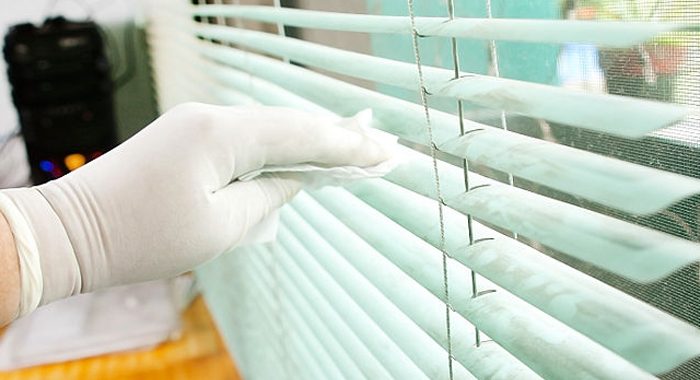
Dusty blinds are one of the most overlooked sources of indoor air pollution inside a home.
Most homeowners wipe counters, vacuum carpets, and mop floors regularly.
Yet window coverings quietly collect layers of debris that float through the air every day.
I realized this the hard way while cleaning my living room before guests arrived.
The house looked spotless, but sunlight pouring through the window revealed something surprising.
Every time I opened the blinds, tiny particles drifted through the air like smoke.
Those particles were not harmless.
They were a mixture of dust, pollen, skin flakes, pet dander, and microscopic fibers.
Once disturbed, those particles circulated through the room and into the air we breathe.
That moment changed the way I thought about indoor cleanliness.
Blinds were no longer just part of the décor.
They were a hidden contributor to the quality of the air inside the home, which is why learning how to properly clean and maintain dusty blinds can make a noticeable difference in indoor air quality.
How Window Coverings Collect Hidden Dust
Blinds are positioned in a perfect place to trap airborne particles.
They sit directly beside open windows where outdoor debris enters the home.
Airflow constantly pushes pollen, pollution, and dust against the slats.
Over time, those particles cling to the surface of the material.
Even homes that appear clean can have heavy buildup along window treatments.
The problem is that the buildup is gradual and easy to ignore.
A thin layer becomes two layers, then several more.
Because blinds are made of narrow slats, every edge becomes a dust shelf.
The shape creates dozens of horizontal surfaces that trap debris.
Unlike a flat windowsill, those narrow surfaces are rarely cleaned thoroughly.
In many homes, they are only wiped occasionally.
Some people avoid cleaning them entirely because it feels tedious.
Months later, the buildup becomes significant.
This hidden accumulation slowly impacts the air circulating inside the room.
What Happens When Dust Becomes Airborne
Every time someone opens a window covering, the slats move.
That motion releases particles that were previously resting on the surface.
The particles lift into the air and begin circulating through the room.
Air conditioning systems then pull those particles through vents and ducts.
This spreads the debris further throughout the house.
I noticed this clearly when adjusting the blinds in my bedroom one morning.
Sunlight made the floating particles visible in the air.
It looked almost like fog drifting through the room.
The movement lasted several minutes before the air finally settled.
During that time, the particles were easily inhaled.
This is especially concerning for people with allergies or asthma.
Airborne debris can trigger sneezing, congestion, and irritation.
Children and pets are also more sensitive to poor indoor air conditions.
What appears to be a minor layer of dust can actually affect comfort and breathing.
The Impact on Indoor Air Quality
Indoor air quality depends on how many particles circulate inside a living space.
Many homeowners assume outdoor pollution is the primary concern.
In reality, indoor contaminants often accumulate at higher levels.
Dust from furniture, fabrics, and window coverings contributes heavily to the problem.
Blinds play a surprisingly large role in that environment.
Because they sit near sunlight and airflow, they collect debris quickly.
Once the buildup becomes significant, small disturbances release particles repeatedly.
Every adjustment of the slats sends more debris into the air.
This creates a cycle where particles settle, accumulate, and become airborne again.
Over time, the cycle reduces the freshness of the indoor environment.
Rooms may feel stuffy even after regular cleaning.
Allergy symptoms can also increase without an obvious cause.
Addressing window treatment dust is often the missing step in improving air quality.
Signs Your Blinds Are Affecting the Air in Your Home
Sometimes the clues are subtle.
Other times the signs are easy to notice once you know what to look for.
A common sign is visible dust when sunlight hits the window area.
Particles floating near the window usually originate from the slats.
Another clue is sneezing or coughing when adjusting the blinds.
If symptoms appear immediately after opening them, the slats may be coated in debris.
You might also notice darker buildup along the edges of the slats.
This is a mixture of dust and airborne oils that settle over time.
In homes with pets, the buildup may include fur and dander.
Kitchen windows often collect grease particles that make dust stick even more.
These layers accumulate gradually until the blinds become a reservoir of airborne debris.
Recognizing these signs early helps prevent larger air quality issues later.
Why Regular Cleaning Matters
Cleaning window coverings regularly prevents buildup from becoming excessive.
Light maintenance removes particles before they settle deeply into the surface.
Routine care also prevents debris from circulating through the home repeatedly.
The difference is noticeable after a proper cleaning session.
I remember wiping down the blinds in my dining room after ignoring them for months.
The cloth turned gray almost immediately.
Once finished, the room felt fresher and noticeably brighter.
Sunlight reflected cleanly off the slats instead of highlighting dust.
Air circulation also improved because fewer particles were being released.
Regular cleaning transforms blinds from a pollution source into a neutral part of the room.
It is a simple step that dramatically improves the indoor environment.
Practical Ways Homeowners Can Reduce Dust Buildup
A few habits can prevent excessive accumulation.
Start by lightly dusting the slats every week or two.
A microfiber cloth works well because it traps particles instead of pushing them around.
Vacuum attachments designed for delicate surfaces can also remove debris safely.
For deeper cleaning, removing the blinds and washing them occasionally can help.
This removes oils and stubborn buildup that ordinary dusting cannot reach.
Keeping nearby windowsills and frames clean also reduces the amount of debris that reaches the slats.
Air purifiers can further reduce airborne particles inside the home.
Another helpful habit is closing the blinds during high pollen days.
This limits how much outdoor debris settles on the surface.
Small habits like these keep building up manageable and maintaining healthier indoor air.
A Small Change That Makes a Big Difference
Many homeowners focus on floors, furniture, and countertops when cleaning.
Those surfaces matter, but window coverings deserve attention as well.
Blinds quietly collect particles that eventually circulate throughout the house.
Ignoring them allows debris to accumulate and affect indoor air conditions.
Regular cleaning breaks that cycle and restore freshness to the room.
It also prevents allergy triggers from spreading through the air.
What surprised me most was how quickly the improvement became noticeable.
After cleaning the blinds in several rooms, the entire house felt lighter.
Sunlight looked clearer, and the air felt less dusty.
Sometimes, improving air quality is not about expensive equipment or complicated solutions.
Sometimes it starts with noticing the simple things we overlook every day.
Blinds might seem like a small detail in a home.
Yet keeping them clean can make a meaningful difference in the air everyone breathes.