
Professional blind cleaning costs usually land between $10 and $50 per blind, with a national average of about $99 per job.
This guide is written for homeowners, renters, landlords, and property managers who want a real number before they pick up the phone.
You will see price ranges by blind type, how ultrasonic cleaning is billed, and the factors that push a quote up or down.
Most households spend around $180 on a full-home visit, though a single room of dirty blinds can come in far below that.
Summary Of Blind Cleaning Costs
Most companies price by the blind, by the slat, or by the linear foot, and the method they use changes what you pay.
Here is the short version before the detail:
- Per blind: $10 to $50 for standard sizes, up to $120 for oversized or heavily soiled units
- Per slat: $1 to $3 for vertical blinds
- Per extra foot: $2 to $4 added for blinds wider or taller than a standard window
- Deep cleaning: $20 to $50 per blind when grime is baked in
- Hourly labor: $50 to $75 where a company bills by time instead of by piece
Per-linear-foot pricing is common for wide runs of verticals and for patio door coverings.
It protects you from paying a flat per-blind rate on a narrow bathroom mini blind and the same rate on a twelve-foot slider.
Nearly every blind cleaner sets a minimum charge, and that minimum is often $75 to $150 regardless of how few blinds you have.
Mobile crews may also add a trip fee for addresses outside their normal route, so ask about both before you book.
Quotes vary because the work varies, and a service menu that lists every blind type is the fastest way to see where your windows land on the professional blind cleaning cost scale.
Average Cleaning Costs By Blind Type
Material type is the single biggest driver of price because it decides which cleaning process is safe to use.
A vinyl slat can be submerged and scrubbed without much thought.
A wood slat cannot, so it takes hand work, and hand work costs more.
Fabric shades sit at the top of the range because they hold dust deep in the weave and need controlled drying afterward.
Billing style matters just as much as material.
Horizontal blinds are almost always quoted per blind, while vertical blinds are quoted per slat, and that difference can double or halve an estimate for the same window.
Ask any blind cleaner to confirm which unit they are quoting in before you compare bids.
Venetian Blinds Cleaning Costs
Cleaning Venetian blinds costs $10 to $50 each, and they are the most common type in American homes.
Aluminum Venetian blinds sit at the low end at roughly $10 to $20 per blind, since the slats tolerate water and detergent well.
Wooden Venetian blinds run $15 to $45 each, and real wood blinds with wide slats or stained finishes can reach $50.
Wooden blinds should not be cleaned with water.
Soaking warps the slat, lifts the finish, and can leave a permanent cup or crack that no cleaning fixes.
A reputable company will dry-clean or hand-wipe wood and tell you so up front.
Faux Wood Blinds: Cost To Clean
Faux wood blinds cost between $15 and $45 each to clean.
They look like wood but are made from vinyl or a composite, which means they can handle wet cleaning that real wood cannot.
That opens up safer, faster options: full immersion, ultrasonic tanks, or a controlled-pressure rinse.
Because the process is gentler on labor, faux wood usually costs less than real wood of the same size.
The one caution is heat, since some composite slats can soften or bow if the wash water runs too hot.
Mini Blinds Cleaning Costs
Mini blinds typically cost $10 to $20 each to clean, making them the cheapest common blind on most price sheets.
Mini-blinds are made with narrow aluminum slats that bend easily under pressure.
That is exactly why DIY cleaning goes wrong on them.
Pulling a stack of thin slats through a cloth, or scrubbing them in a bathtub, creases the metal and leaves permanent kinks along the edge.
A creased slat will not close flat again, and replacement usually costs more than the cleaning would have.
Roller And Roman Blinds Cleaning Costs
Roller blinds generally cost $10 to $25 each to clean because they are a single flat panel with no slats to handle.
Roman blinds typically cost $25 to $45 to clean.
Roman shades fold up when you pull a drawstring, and those permanent fold lines trap dust in a way flat panels do not.
Many Roman shades are lined fabric that requires dry cleaning or a low-moisture process, so confirm the fabric content before anyone puts water on them.
Blackout linings in particular can delaminate if they are soaked.
Clean Vertical Blinds: Pricing Per Slat
Vertical blinds are charged by the slat, not by the blind, at $1 to $3 each.
Vertical blinds are often used over patio doors and sliders, so a single opening might hold 20 to 30 slats.
At $2 per slat, a 24-slat patio door works out to about $48.
Per-slat pricing is fairer than it sounds, because it scales with the actual work instead of guessing at a flat rate.
When you clean vertical blinds, ask whether the price includes rehanging each vane and replacing broken hanger clips, since those are frequent add-ons.
Silhouette Shades And Specialty Shades
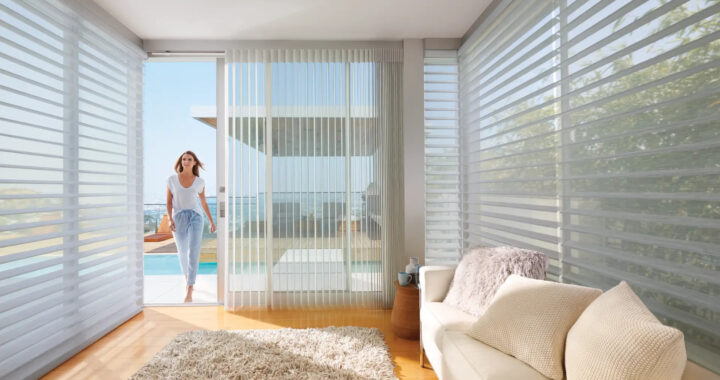
Silhouette shades usually cost $25 to $50 each to clean, and other specialty fabric shades fall in a similar $25 to $45 band.
These are sheer fabric vanes suspended between two layers of fabric, and they cannot be scrubbed without crushing the vanes.
Duettes, Luminettes, pleated shades, and parabolic lens shades sit in the same category.
Specialty shades are the strongest argument for hiring a professional, because a single crushed vane is visible from across the room and cannot be repaired.
Cellular (Honeycomb) Shades Cleaning Costs
Cellular shades typically cost $20 to $45 each to clean.
Cellular shades are also called honeycomb blinds because their pleated cells form a honeycomb in cross section.
Those cells are excellent insulators and equally excellent dust traps, and a vacuum brush only reaches the outer face.
This is where ultrasonic cleaning earns its keep, since the solution flows through the cells and lifts dust the outside of the shade never shows.
Ultrasonic Blind Cleaning: Cost And Benefits
Ultrasonic blind cleaning costs $10 to $30 per blind on average, which often undercuts hand cleaning on the same item.
Ultrasonic cleaning uses sound waves passed through a tank of water and mild solution to lift dirt from every surface at once.
Manual cleaning depends on a cloth reaching each side of each slat, so it is slower, less consistent, and rougher on the blind.
Ultrasonic waves reach the top edge of a slat, the cord holes, and the inside of a honeycomb cell, none of which a cloth touches reliably.
Oversized units still carry the usual $2 to $4 per extra foot surcharge on top of the per-blind rate.
Ultrasonic is the better value on high-volume jobs and on fabric blinds, because the per-unit price drops as the tank stays full and the fabric never gets scrubbed.
For a fuller comparison, see the difference between ultrasonic blind cleaning and traditional blind washing.
Ultrasonic Cleaning Process And Safety
The process creates microscopic bubbles that implode against the surface of the blind, and that implosion knocks dirt, grease, and allergens loose.
Because the bubbles do the scrubbing, the solution itself can stay mild.
Reputable operators use biodegradable, chemical-light solutions rather than harsh chemicals, which protects finishes and keeps residue off the slats.
Ultrasonic cleaning is safe for aluminum, vinyl, faux wood, and most synthetic fabrics.
It is not safe for untreated wood, paper-faced shades, some antique or hand-painted slats, and anything with a glued paper backing.
Tell the company what your blinds are made of, and ask them to test one unit first if you are unsure.
Factors That Affect Blind Cleaning Cost
Prices depend on the material, the width, and the level of care required, and those three things explain most of the spread between quotes.
Complex fabrics like sheers, blackout linings, and honeycomb cells take longer to clean and longer to dry.
Size and mounting height matter too, since anything above a standard reach needs a ladder or a second person, and hard-to-reach windows carry enhanced charges.
Labor rates vary by market, running $50 to $75 an hour, and major cities sit at the top of that band.
On-site mobile service saves you the wait but limits the equipment that fits in a van.
In-shop service usually cleans deeper and costs less per blind, at the price of going a few days without window coverings.
Heavy grease from a kitchen and nicotine film from smoke are the two conditions that trigger the largest surcharges, often pushing a blind into the $20 to $50 deep cleaning tier.
Bundles, Add-Ons, And Savings Opportunities
Bundling is the easiest way to lower your effective per-blind price.
Booking blind cleaning alongside window cleaning frequently earns a discount, since the crew is already on site and the two jobs share a ladder.
Combining curtain and blind cleaning works the same way and gets both sets of window treatments matching again.
Multi-room and whole-home pricing almost always beats one-room pricing per unit, and it also spreads the minimum charge across more items.
Ask for a replacement quote when cleaning a blind would cost more than half of what a new one costs.
An honest company will tell you when a yellowed, brittle blind is past saving.
DIY Versus Professional Cleaning
Clean your blinds yourself when they are lightly dusty, made of aluminum or vinyl, and mounted at a height you can reach standing up.
Routine dusting between professional visits is genuinely worth doing, and it stretches the interval between paid cleanings.
The risk in DIY work is rarely the washing itself.
It is the removal and rehang: dropped headrails, stripped mounting screws, bent slats, and cords that come out of the tilt mechanism and will not go back.
A safe DIY method is simple.
Close the slats, wipe top to bottom with a microfiber cloth or a vacuum brush attachment, flip the slats, repeat, and spot-clean vinyl with mild soap on a damp cloth.
Never soak wood, never use bleach, and never pull slats through a pinched cloth.
Call a professional when the blinds are fabric, when they are cellular or silhouette, when smoke or kitchen grease is involved, or when dust has become an air quality problem in the home.
The EPA notes that indoor air can carry higher pollutant levels than outdoor air, and settled dust on window treatments is part of that load.
If you are weighing the call on sliders, this guide on when to DIY vertical blinds and when to call the pros is a useful starting point.
How To Get Accurate Quotes For Blind Cleaning
Ask for the quote in writing, and ask for it two ways: per blind and per linear foot.
Comparing the two tells you quickly whether your oversized windows are being priced fairly.
Request the minimum charge and any trip fee as separate line items rather than a bundled total.
Confirm whether the service is in-shop or mobile, how long you will be without your blinds, and whether removal and reinstallation are included or billed separately.
Ask for before-and-after photos of jobs like yours, or two recent references in your area.
A company that cleans blinds every day will have both ready.
Pricing Table And Calculator
| Blind type | Per blind | Per linear foot (oversize add-on) | Per slat |
|---|---|---|---|
| Aluminum/vinyl mini blinds | $10 to $20 | $2 to $4 | n/a |
| Aluminum Venetian blinds | $10 to $20 | $2 to $4 | n/a |
| Wood blinds | $18 to $50 | $2 to $4 | n/a |
| Faux wood blinds | $15 to $45 | $2 to $4 | n/a |
| Roller shades | $10 to $25 | $2 to $4 | n/a |
| Roman shades | $25 to $45 | $2 to $4 | n/a |
| Cellular / honeycomb shades | $20 to $45 | $2 to $4 | n/a |
| Silhouette and specialty shades | $25 to $50 | $2 to $4 | n/a |
| Vertical blinds | n/a | $2 to $4 | $1 to $3 |
| Ultrasonic (any compatible type) | $10 to $30 | $2 to $4 | n/a |
Sample calculation for a 10-blind job:
- 6 faux wood blinds at $25 each = $150
- 2 cellular shades at $30 each = $60
- 2 oversized wood blinds at $35 each, plus 3 extra feet at $3 = $79
- Subtotal = $289, which clears a $125 minimum charge with no shortfall
That total sits above the $180 national average because the job includes fabric shades and oversized units, which is exactly how averages hide real variation.
Post-Service And Repair Considerations
Inspect every blind for slat damage, missing ladder cords, and broken vane clips before the crew leaves.
Confirm whether rehang and a final operating inspection are included in the price or billed as an add-on, since some companies quote cleaning only.
Photograph any existing cracks, warps, or stains before the service starts.
That five-minute record settles almost every dispute about whether damage was preexisting.
FAQ Section On Blind Cleaning Costs
What is the average blind cleaning cost?
Professional cleaning runs $10 to $50 per blind for standard sizes, with a national average of $99 per job and typical household spending near $180.
How much does it cost to clean vertical blinds?
Vertical blinds are billed per slat at $1 to $3 each, so a 24-slat patio door usually costs $24 to $72.
How much does it cost to clean faux wood blinds?
Faux wood blinds cost $15 to $45 each, and they are cheaper than real wood because they can be wet-cleaned safely.
Is ultrasonic cleaning worth it?
At $10 to $30 per blind, it is usually the best value for fabric, cellular, and specialty shades, since it cleans inside cells and folds that a cloth cannot reach.
Local Market And Vendor Guidance
Get three bids from local blind cleaning companies before booking, and make sure all three are quoting the same unit of measure.
Read recent online reviews and look specifically for comments about damage, missed appointments, and whether the final invoice matched the estimate.
Verify that the company carries liability insurance and ask what its written policy is if a slat or headrail is damaged in transit.
For a sense of what a careful job looks like on the most common blind in American homes, this complete guide to Venetian blind cleaning walks through the standard steps from removal through reinstallation.
Companies that have been cleaning blinds for years will also handle common brands and hardware without a special order, which saves you time on repairs.
Next Steps
Walk your home and count your blinds by type, noting the width of anything over six feet.
Send that list to three providers and ask each for a written quote broken out by blind, by slat, and by linear foot.
Then schedule a pickup or an on-site estimate with whichever company gives you the clearest numbers, not simply the lowest ones.