
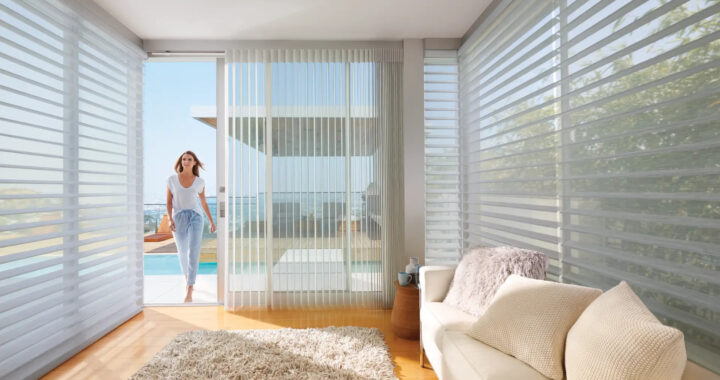
Fabric blind cleaning is the fix for a problem no damp cloth can reach, which is dust, cooking oil, and other airborne particles pressed deep into woven fabric until Roman shades look gray and feel stiff.
A professional clean pulls that grime back out and restores the original color without shrinking the panel or leaving water rings, and the first step is a free quote for either on-site service or off-site pickup.
Request a Free Fabric Blind Cleaning Quote
Send a few photos of your window treatments through the online estimate form, and you get a written price back with no charges added later.
Most quote requests are answered the same business day.
Once you approve the estimate, the majority of homes are scheduled that week, and most jobs are finished within a single day.
Before you book, it helps to look at the full range of fabric blind cleaning options, so you know which method your shades actually need.
Why Long Beach Homeowners Trust Us With Delicate Shades
Delicate fabric is unforgiving, so the crew handling it should be accountable for what happens to it.
We are a certified and insured mobile service, and we carry the HomeAdvisor Seal of Approval.
We work on every major brand, including Hunter Douglas, Levolor, Bali, Graber, Springs, Budget Blinds, and 3 Day Blinds.
Homes across Long Beach, Whittier, Garden Grove, and the surrounding cities have been on our route for years, and satisfaction is guaranteed on every job.
What Sets Our Deep Clean Results Apart
Every panel is identified by material before anything touches it, because the cleaning method that saves a polyester roller shade will ruin a linen Roman shade.
Cotton and linen blends shrink in hot water, so they get a low-moisture treatment instead.
Vinyl-backed roller shades and solar shades tolerate a wetter process, so they get one.
Cellular shades are never submerged, because water collapses the honeycomb structure and leaves creases that will not come out.
Every set is re-hung by our team, then tested for smooth raising, lowering, and cord or wand operation before we leave the house.
If the finished result does not meet your expectations, we re-clean the affected panels at no charge.
Our Fabric Blinds Cleaning Services
- On-site in-place cleaning for lightly soiled fabric blinds (on site)
- Ultrasonic deep clean for heavily soiled blinds (off site)
- Stain spot treatment for isolated marks (on site or off site)
- Cellular and honeycomb shades deep clean (off site)
- Vertical blinds, venetian blinds, mini blinds, wood blinds, and faux wood blinds (either)
- Curtains, drapery, and shutters (either)
- Minor repairs, reassembly, and rehang (on site)
On-Site In-Place Blind Cleaning For Fabric Blinds
In-place cleaning happens while the blinds stay mounted, which suits routine upkeep and any home that cannot go a day without privacy.
Technicians vacuum each panel from top to bottom with a soft brush attachment, so dust is pulled out rather than pushed deeper into the folds.
A gentle low-moisture extraction follows, using a cleaning solution matched to the fabric and applied as a controlled mist instead of a soak.
Most windows take about fifteen minutes, and panels are left fully extended to air dry.
This method is safe for delicate fabrics, silhouettes, pleated shades, and pale linen that would water-stain under heavier washing.
Off-Site Ultrasonic Deep Clean For Heavily Soiled Blinds
Ultrasonic cleaning is the right call once dust has turned into grime, which is common in kitchens, in homes with pets, and in blinds that have gone years without professional attention.
We take down and tag each set, transport it to our facility, and run it through an ultrasonic tank where high-frequency sound waves create microscopic bubbles that lift grime out of cords, slats, and seams no cloth can reach.
Panels are then rinsed, dried under controlled conditions, inspected, and delivered back to your windows, usually the same day.
Choose ultrasonic over in-place work when you see overall discoloration, smoke residue, insect debris inside the slats, or heavy buildup on the hardware.
For a closer look at how the two approaches differ, read our breakdown of ultrasonic versus traditional blind washing.
Stain Spot Treatment And Cleaning Solution Choices
Stubborn stains are treated separately from the general clean, using a solvent or mild solution chosen for that specific fiber.
Every cleaner is tested on a small hidden area first, which confirms it will not cause discoloration before it ever touches a visible panel.
Technicians blot rather than rub, because rubbing breaks the fabric fibers and spreads the mark outward.
Warm water with a small amount of mild dish soap handles most food and hand-oil marks, and a baking soda paste works well on isolated spots.
Distilled water is used for the final blotting, since the minerals in tap water are what leave that faint ring around a treated spot.
There are limits worth stating plainly.
Dye transfer, sun-bleached fading, old water damage, and set-in ink usually cannot be reversed on delicate fabric.
Bleach and abrasive cleaners are never an option, because they discolor the material permanently.
Cellular Shades And Honeycomb Deep Clean
Cellular shades trap dust inside their honeycomb cells, which is why they still look dingy after the outside surface has been wiped.
Compressed air is directed through the open end of each cell at low pressure, pushing trapped dust and allergens out the other side without stressing the pleats.
Light surface soil is then handled with a barely damp microfiber cloth and a low-moisture cleaning solution, never a soak.
Cells are reshaped by hand along their original fold lines.
The shade then hangs fully extended until it is completely dry, which prevents the mold and mildew that form when a damp honeycomb gets closed up.
Minor Repairs, Reassembly, And Rehang
Cleaning is the best moment to catch hardware problems, since the blinds are already down and easy to inspect.
Technicians reassemble valances, clips, and end caps, then check the lift mechanism, cord locks, tilt wands, and headrail brackets.
Frayed cords and worn cord locks get flagged, and small repairs are handled on the spot when the parts are on the truck.
Reinstallation and an operation test are included with off-site service at no extra charge.
Cleaning Methods And Cleaning Solution Options
Ultrasonic cleaning submerges durable blind materials in a solution agitated by sound waves, reaching inside cords, routing holes, and slat edges that hand cleaning cannot access.
Steam and hot-water extraction uses heat for deep sanitizing on sturdy synthetic fabrics and drapes, and it is kept well away from natural fibers that shrink.
Dry cleaning methods use solvent instead of water, which is what protects linen, silk blends, and structured Roman shades that would pucker if they got wet.
Hand-cleaning and spot treatment covers vacuuming, microfiber wiping, and targeted stain work, and it is the default for anything the other three methods would be too aggressive for.
Eco-Friendly Cleaning Products And Non-Toxic Options
Our standard ultrasonic process is environmentally friendly and needs no harsh chemicals, which matters in homes with children, pets, or anyone with allergies.
Hypoallergenic and fragrance-free solutions are available on request.
So are low-odor, low-VOC formulas for small or poorly ventilated rooms.
Just note the request on the estimate form, and we will confirm it before the appointment.
What To Expect During The Fabric Blind Cleaning Process
- On-site assessment. A technician identifies each fabric type, checks for existing damage, tests a hidden area, and confirms the method and the price before any work starts.
- Pre-treatment and dust removal. Panels are vacuumed top to bottom, compressed air clears the cellular shades, and individual stains are pre-treated.
- Deep cleaning or extraction. The chosen method runs, either in place at your windows or off-site at our facility.
- Inspection, rehang, and walk-through. Dried panels are inspected under good light, re-hung, tested for operation, and reviewed with you before we close out the job.
Pricing, Deep Clean Options, And What Is Included
Price comes down to three things: how many panels you have, how large they are, and which cleaning method the material requires.
A small vinyl roller shade cleaned in place costs a fraction of a wide linen Roman shade that has to be dry cleaned off-site.
Whole-house jobs cost less per panel than a single window, so cleaning everything in one visit is almost always the better value.
Recurring customers on a scheduled maintenance plan get a standing discount, which is quoted when the plan is set up.
Pickup and drop-off are included throughout our regular service area, and any travel charge outside it is quoted in writing before we book.
Every estimate is given upfront, and nothing is added to it after the work is done.
Prevent Build-Up And Extend Blind Life
Regular upkeep between professional visits is what stops dust from turning into grime that only a deep clean can remove.
Vacuum with a soft brush attachment every two weeks, always working from the top down.
Wipe hard slats with a barely damp cloth, then dry them right away.
Leave fabric panels fully extended to air dry any time they get damp, because trapped moisture is what causes mildew.
Dust settles faster than most homeowners expect, and the EPA notes that indoor air often carries higher pollutant levels than the air outside, which is part of why window treatments collect so much of it.
Here is a reasonable professional schedule by room:
| Room | Deep clean frequency |
|---|---|
| Kitchen | Every 6 months |
| Homes with pets or allergy sufferers | Every 6 months |
| Living and family rooms | Every 6 to 12 months |
| Bedrooms and guest rooms | Once a year |
Add-on services that slow future buildup include antistatic fabric treatment, hardware lubrication, and a standing maintenance plan.
For a season-by-season version of that schedule, see our seasonal blind maintenance guide.
What Results Look Like
The clearest difference appears on the kitchen Roman shades, where a greasy film has dulled the color evenly across the entire panel.
Cellular shades are another common surprise, because homeowners rarely realize how much dust is sitting inside the cells until it is gone.
A full house of fabric blinds handled by a two-person crew normally takes a few hours, compared with the full weekend it takes to do it by hand and still miss the folds.
Common Questions About Fabric Blind Cleaning
How often should I schedule a deep clean?
Every six to twelve months for most rooms, and every six months for kitchens or homes with pets, where cooking residue and dander build up faster.
Can cellular and honeycomb shades be cleaned safely?
Yes, as long as they are never submerged.
Compressed air, low-moisture spot treatment, and drying at full extension clean them without collapsing the cells.
Do you offer eco-friendly cleaning products?
Yes.
The standard ultrasonic process uses no harsh chemicals, and hypoallergenic, fragrance-free, and low-VOC options are available on request.
What causes permanent staining or damage?
Bleach and abrasive cleaners, hot water on natural fibers, rubbing instead of blotting, submerging cellular shades, and closing a panel before it has dried.
Sun fading and old dye transfer are also permanent and cannot be cleaned out.
Service Area And Neighborhoods Covered
We serve Long Beach and the surrounding communities, including Belmont Shore, Naples, Bixby Knolls, Los Altos, Rose Park, North Long Beach, Signal Hill, Lakewood, Cerritos, Downey, Norwalk, Paramount, Bellflower, Artesia, Carson, Compton, Whittier, Santa Fe Springs, and Pico Rivera.
Orange County and San Gabriel Valley coverage includes Garden Grove, Westminster, Fountain Valley, Huntington Beach, Seal Beach, Los Alamitos, Rossmoor, Cypress, Stanton, La Mirada, La Habra Heights, Montebello, Monterey Park, El Monte, Covina, Glendora, Walnut, and Diamond Bar.
Additional areas are available on request, and any travel fee is quoted before we schedule.